Caffeine (1,3,7-trimethylxanthine) is one of the most widely consumed physiologically active substances in the world. The lethal dose of caffeine is at approximately 10 g per person (equivalent to roughly 100 cups of coffee consumed simultaneously). However, much lower doses can cause adverse effects, including cardiovascular symptoms.
Dirk W. Lachenmeier and colleagues, Chemisches und Veterinäruntersuchungsamt (CVUA) Karlsruhe, Germany, have examined caffeine levels in 23 food and sports supplements sold in Germany (2010–2025) and compared them with European Food Safety Authority (EFSA) safety guidelines and also analyzed European safety alerts for high-caffeine products.
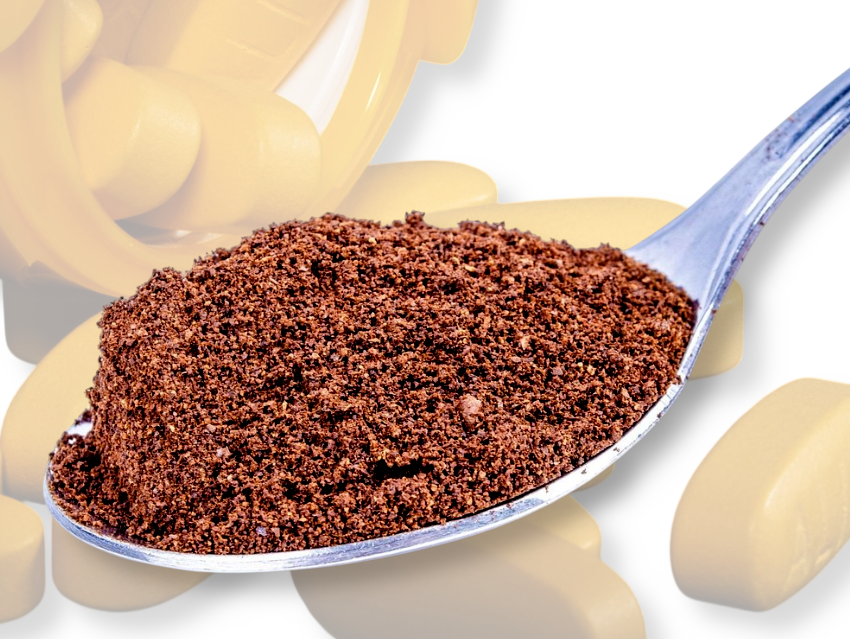
They found that several supplements far exceeded safe caffeine limits of the EFSA ( single dose limit of 200 mg and the daily intake limit of 400 mg) with some combined with other stimulants like synephrine (a naturally occurring stimulant found in bitter orange). For single doses, products typically contained between 225 and 596 mg of caffeine. For daily dosage, products ranged from 400 mg to 1000 mg of caffeine, with a median value of approximately 600 mg.
Their analysis of notifications from the Rapid Alert System for Food and Feed (RASFF) across Europe identified 19 alerts related to excessive caffeine content, with seven classified as “serious risk.” These serious risk cases included products with caffeine doses up to 900 mg/day and combinations of caffeine with synephrine.
Current EU rules on caffeine in supplements are inconsistent, with national limits ranging from 80 mg/day (Belgium) to 300 mg/day (Denmark), and enforcement is mostly reactive. The researchers conclude that high-dose supplements can easily exceed safe intake, posing cardiovascular risks, sleep disturbances, or overdose, particularly in adolescents (ages 10 and 19) and athletes. Because consumers often underestimate caffeine in concentrated powders or multi-source intake, clearer maximum limits, mandatory labeling, and educational campaigns are needed to prevent accidental overexposure.
- Caffeine Content Assessment in Beverages and Food Supplements: Regulatory Challenges and Health Implications
Leonie Rinke, Ann-Kathrin Kull, Verena Bock, Dirk W. Lachenmeier,
ChemFoodChem 2025.
https://doi.org/10.1002/cfch.202500037