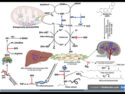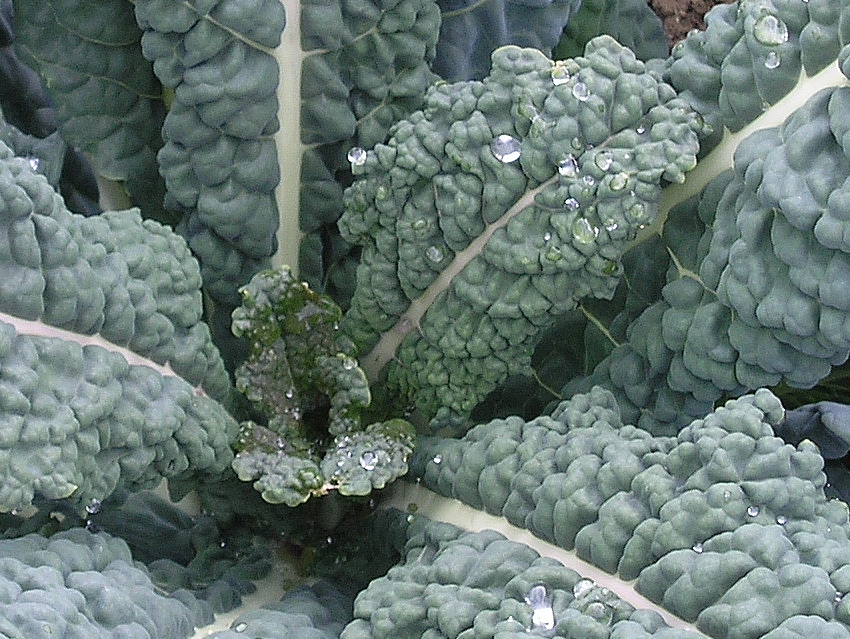
Piero Portincasa, University of Bari Aldo Moro, Italy, Gianluca Bleve, National Research Council, Lecce, Italy, and colleagues investigated whether fermenting black kale (Brassica oleracea var. acephala, BK) could enhance its nutritional properties and deliver measurable health benefits. The researchers focused on challenges such as limited bioavailability of plant phenols, modest antioxidant activity, and the need for safe dietary strategies to support gut microbiota and cholesterol regulation.
The researchers fermented shredded and pressed BK leaves in brine (75 g/L salt) using Saccharomyces cerevisiae LI180-7. During fermentation, the pH dropped from ~6.1 to ~4.5 due to lactic, acetic, and citric acid production, while malic acid decreased through yeast metabolism. Enzymatic interactions between yeast and plant tissues increased the accessibility of phenolic compounds, resulting in a fourfold rise in total phenols and a 2.5–2.7-fold increase in antioxidant activity. Salt-tolerant lactic acid bacteria (LAB) and yeasts thrived, while spoilage and pathogenic microbes were inhibited.
In a clinical trial, 26 volunteers consumed 100 g of fermented BK three times per week for one month. Fecal and blood samples were analyzed for microbiota composition, short-chain fatty acids (SCFAs), branched-chain fatty acids (BCFAs), volatile organic compounds (VOCs), and serum chemistry using low-field ¹H NMR. Results showed decreased acetate alongside increased butyrate and propionate, indicating microbial cross-feeding, while isovaleric and isobutyric acids increased due to improved amino acid bioavailability. VOC profiling revealed higher indole, an anti-inflammatory metabolite, and lower butanal, a marker of oxidative stress.
Fermented BK intake produced several key outcomes:
- Bifidogenic effect: increased Bifidobacterium and Faecalibacterium linked to higher butyrate and propionate production.
- Cholesterol reduction: significant decreases in serum cholesterol in half of the participants, including a hypercholesterolemic subgroup.
- Enhanced antioxidant activity: strong increases in total phenols and radical-scavenging capacity.
- Anti-inflammatory effects: lower serum lipid and glycoprotein-associated signals in over 82% of samples.
The novelty of this work lies in the use of the selected yeast starter S. cerevisiae LI180-7, which achieved much higher phenolic content and antioxidant activity than typically reported for cruciferous vegetables. This represents the first in vivo trial of fermented BK in humans, demonstrating both gut microbiota modulation and cholesterol-lowering effects.
Overall, fermented black kale emerges as a promising functional food capable of enhancing antioxidant intake, modulating gut microbial metabolism, and lowering cholesterol. The study highlights that simple fermentation of vegetables with selected microbial starters can unlock new dietary strategies to support metabolic health and reduce inflammation.
- Cholesterol-Lowering and Radical Scavenging Potential of Fermented Black Kale (Brassica oleracea var. acephala): From Pilot-Scale Production to in Vivo Study
Mirco Vacca, Annamaria Tarantini, Mohamad Khalil, Danilo Vona, Francesco M. Calabrese, Giuseppe Celano, Carmen A. Apa, Matteo Bernardi, Leonardo Mancini, Gianni Pietragalla, Laura Mahdi, Domenico Rubino, Matteo Spagnuolo, Gianluca Bleve, Piero Portincasa, Maria De Angelis
ChemFoodChem 2025
https://doi.org/10.1002/cfch.202500035