Progress in fingerprint analysis means fingerprints can show whether a suspect is a smoker, takes drugs, or has handled explosives
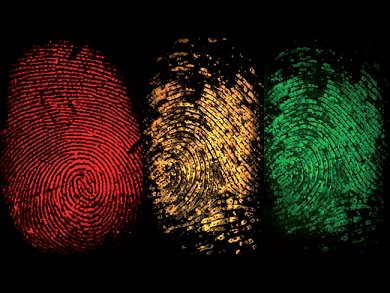
Fingerprints Tell All

Titanic Struggle Removes Theia
Mass spectrometry shows terrestrial and lunar titanium isotopes to be identical, hinting that moon-formation theory needs revision
2012 ACS National Awards
The 2012 ACS National Awards are presented at the 243rd ACS National Meeting, San Diego, CA, USA
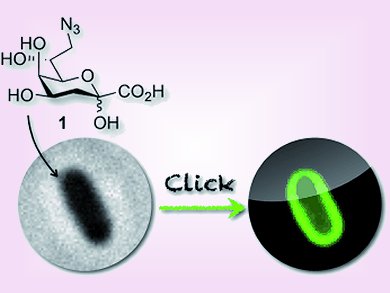
Angewandte Chemie 13/2012: Chemistry of Life
An overview of the latest issue of Angewandte Chemie
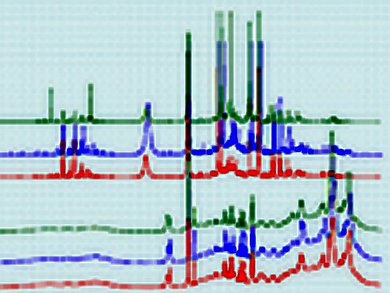
Magnetic Resonance in Food Science
In food science, magnetic resonance has proved itself to be a tool of remarkable flexibility and constantly developing
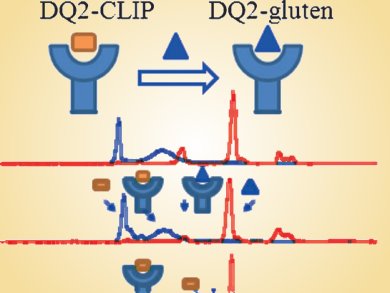
Gluten Breakdown
Capillary electrophoresis coupled with fluorescence detection discriminates protein–peptide binding events involved in celiac disease
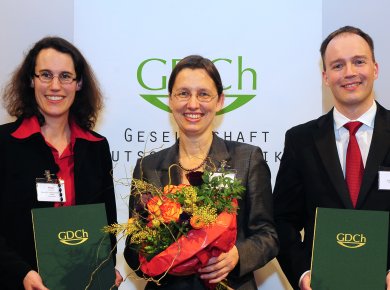
Snapshots from the Young Professors' Meeting 2012
Impressions from the Chemiedozententagung, the meeting of young chemistry professors, in Freiburg, Germany
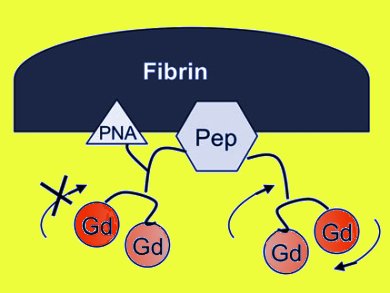
Targeted MR Contrast Agents
Ways to improve relaxivity, and therefore contrast, in magnetic resonance (MR) images are reviewed
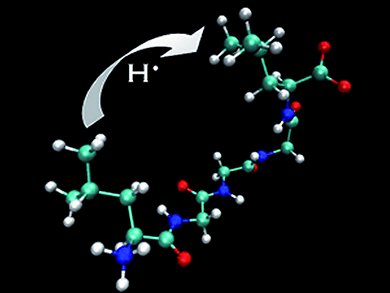
Angewandte Chemie 12/2012: Worth the Trip
An overview of the latest issue of Angewandte Chemie

Most Accessed Articles: February 2012
The most-accessed chemistry articles from ChemPubSoc Europe and GDCh journals for February 2012